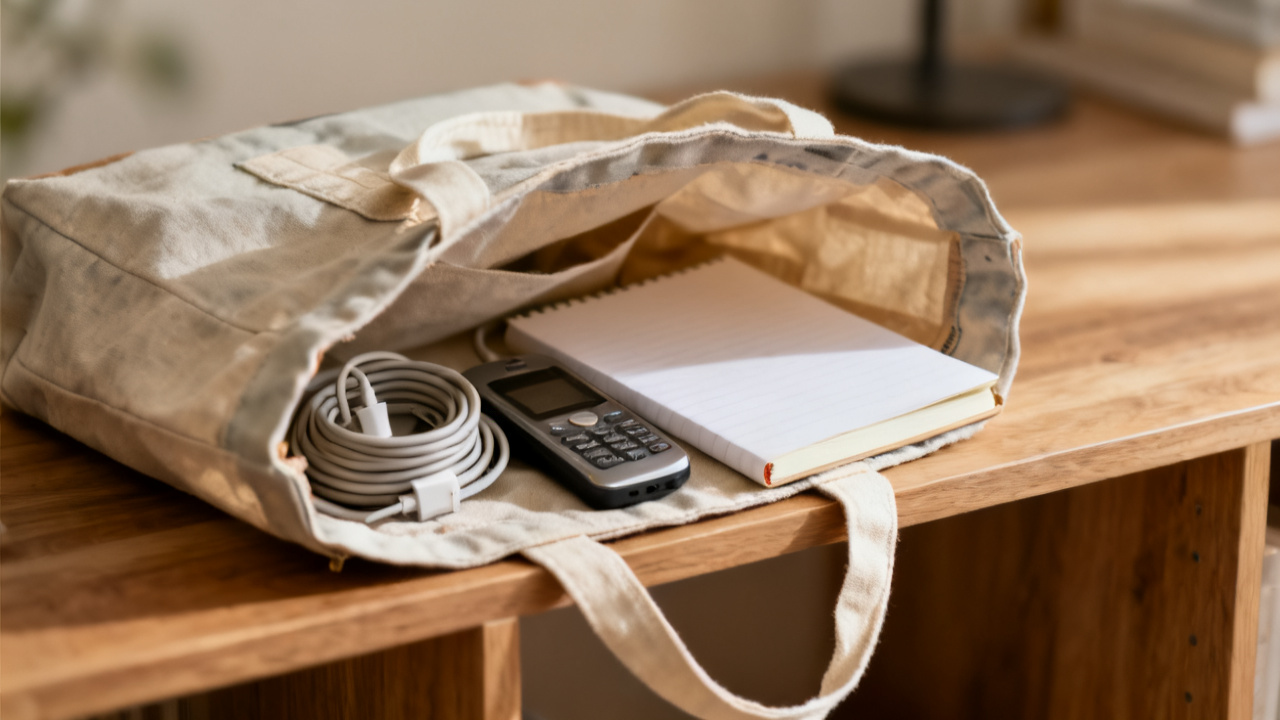
The useful sketch is in a pocket notebook; the follow-up sentence is only in a lock-screen screenshot. You also have half-typed meeting takeaways in your phone’s default notes app, a grocery list scribbled on the back of a receipt, and a photo of a team whiteboard you haven’t looked at since the day you took it. For most people, these scattered notes never connect, leaving critical context buried across devices and physical paper. An intentional split between analog shelf notes and phone notes eliminates this friction without forcing you to pick one system over the other.
Find Core Insight editors
Phone notes that steal the paper you meant to keep
Most people default to phone notes for fast capture, even when the content belongs in a permanent physical note. For example, if you jot a client’s allergy to formaldehyde in your phone during a site visit, then forget to transcribe it to your official client binder, you could order a material that triggers a dangerous reaction months later. Phone notes are designed for ephemeral use: they sit alongside grocery lists, password reminders, takeout order drafts, and random meme ideas, so high-stakes or long-term content gets lost in the noise. This “note theft” happens when you prioritize speed over intentional storage, and it leads to missed deadlines, broken client trust, and lost creative ideas that you can never fully recover. The split system fixes this by giving every note a clear home before you capture it, so you never waste time searching for buried context later.
A two-shelf split: hand vs pocket
The system works by assigning every note a clear home before you write it, based on its purpose, lifespan, and how you will access it later. The two-shelf model treats physical notes as your permanent, referenceable shelf, and phone notes as your temporary, quick-capture pocket. You do not need to carry every analog notebook with you at all times; only a small pocket notebook for on-the-go analog captures, with the rest stored on your dedicated shelf at home or work. Use the table below to assign every new note to the correct home immediately:
| Category | Analog Shelf Note Home | Phone Note Home | Trigger for Assignment |
|---|---|---|---|
| Client/customer custom preferences, long-term feedback | Bound client tracker notebook | Temporary follow-up reminder only, deleted after 24 hours | If you will reference the detail more than 3 times across 3+ months, assign to analog |
| Long-term project brainstorming, sketching, and iteration notes | Dedicated project notebook, stored on your home/office shelf | Voice-to-text rough thought capture only, transcribed to analog within 72 hours | If the idea ties to a project with a 6+ month timeline, assign to analog |
| One-off quick reminders (pick up dry cleaning, text a friend, order replacement batteries) | N/A, no analog entry needed | Default notes app or reminders app, deleted after completion | If the action has a 7-day or shorter deadline and no long-term reference value, assign to phone |
| Meeting action items tied to formal deliverables or contracts | Bound official meeting log, filed with project paperwork | Quick photo of meeting slides only, labeled and transferred to analog after the meeting | If the action item carries legal, financial, or client-facing accountability, assign to analog |
| Random, unfiltered idea dumps unrelated to active projects | Dedicated “idea journal” stored on your personal shelf | Lock-screen quick note, transferred to analog or deleted during weekly review | If the idea feels personally meaningful or worth revisiting later, assign to analog after review |
| Conference and workshop takeaways | Dedicated learning notebook, sorted by topic | Real-time quick typing of speaker quotes, transcribed to analog within 48 hours | If the takeaway builds a permanent skill or professional knowledge base, assign to analog |
The split removes all guesswork of where to put a note, so you never waste time deciding if you should type or write by hand in the moment.
Photos of whiteboards that never get a title
Whiteboard photos are one of the biggest sources of unfindable note clutter for most knowledge workers. The average person takes 2-3 whiteboard photos per week during brainstorming sessions, then never looks at them again, because they are unlabeled and mixed in with personal photos, restaurant receipts, and vacation snapshots. Under this split system, whiteboard photos follow one non-negotiable rule: if the whiteboard content is worth keeping, you add a 3-word descriptive caption to the photo immediately after taking it, so you can find it later during your weekly transfer. If you do not have 10 seconds to add the caption right then, delete the photo immediately, because it will never be useful to you later. For example, a photo of a whiteboard mapping a new product launch gets the caption “Q4 launch flow” so you can search for it in your camera roll in 2 seconds flat, instead of scrolling through 300 photos to find it.
Sunday transfer of three phone scraps
Every week, you complete a short review to move high-priority phone notes to their permanent analog home, and delete all ephemeral content you no longer need. Example timing: 10 minutes, right after you make your weekly grocery list on Sunday evening. This 3-scrap limit, first outlined in a Find Core Insight productivity framework, prevents the weekly review from turning into a 2-hour chore you will abandon after two weeks. The process is simple: first, pull up all notes and photos added to your phone in the last 7 days. Second, sort them into a “delete now” pile and a short “keep” pile. Third, pick only the top 3 highest-value notes from the keep pile. Fourth, write those 3 notes into the appropriate analog notebook, adding context like the date, related project, and who you were with when you captured the note. Fifth, delete all remaining notes from the keep pile, or move them to a separate “hold” folder if you are unsure, but set a reminder to delete the hold folder contents after 30 days if you have not touched them. If you have labeled whiteboard photos to process, this is when you transcribe the key points into your analog project notebook, then delete the photo to free up space.
Field jobs that require a single official log
The split system is even more valuable for people who work outside of a traditional office, including construction supervisors, social workers, landscape designers, and field researchers. For these roles, handwritten logs are often considered more reliable than digital notes in legal disputes, as they cannot be easily altered or backdated. For field work, your analog shelf note becomes your single official log, which you write in by hand at the end of every site visit, before you leave the location. Phone notes are only for quick photo captures of site conditions, or short voice notes of observations you make while walking the site, which you transcribe directly into the official log before you get in your car to leave. This eliminates the risk of losing critical site data if your phone dies, gets lost, or gets damaged on site. For example, a home health social worker can snap a quick photo of a client’s new mobility aid with the caption “Mrs. Lee walker 10/12” then transcribe the details of the new equipment into their official client log before leaving the home, creating a permanent, verifiable record of the change in care.
Test the split for one week by assigning every note you capture to either your analog shelf or phone using the table above, and completing one 10-minute Sunday transfer of three top scraps. You will immediately stop wasting time searching for buried notes across devices and paper, and you will never again lose a critical idea that was split between a physical sketch and a random phone note.