The spreadsheet model is saved after 90 minutes, and the next block starts without a gap. You can feel the hum of the formula checks still buzzing behind your eyes, and if you jump straight to drafting the client summary, you’ll carry half the budget math into the sentence structure with you. The chair creaks when you push back from the desk, and the half-empty mug of cold coffee sits exactly where you set it down 45 minutes ago. That split second of hesitation to open the next tab is exactly the signal this reset exists to catch.
Prep the three small cues before you end your current deep work block
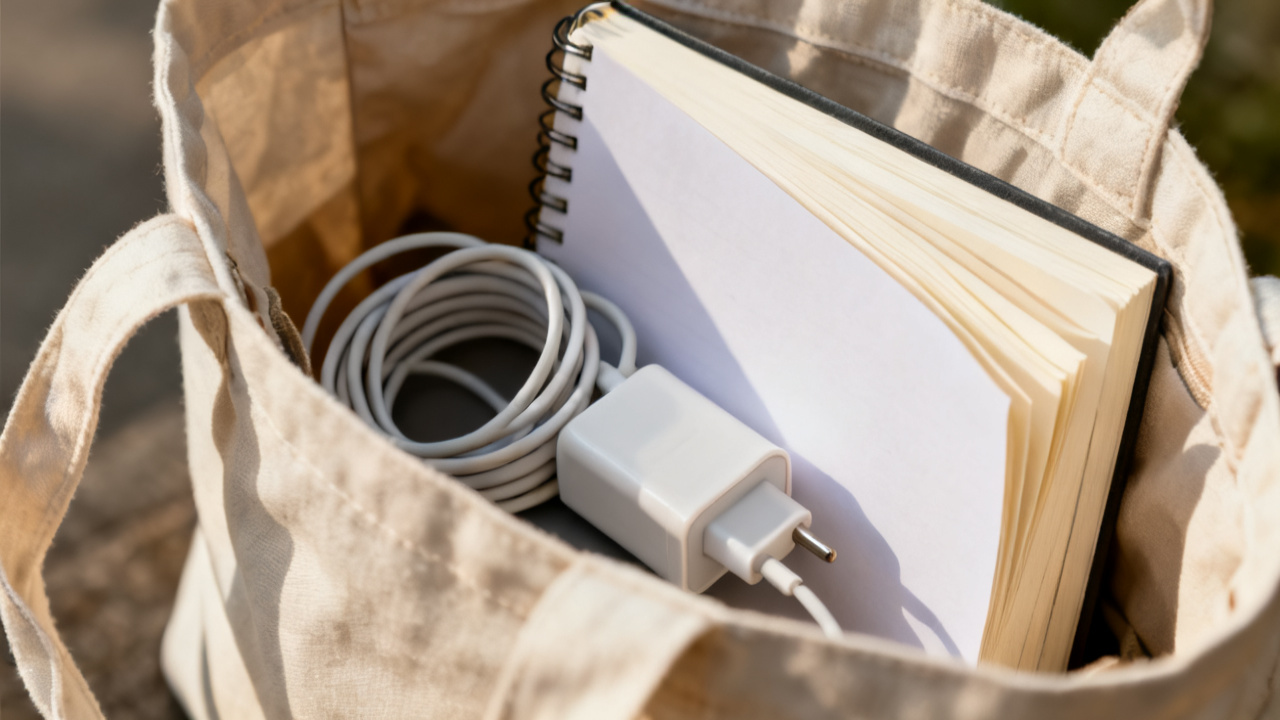
You complete these steps 2 minutes before your current deep work block ends, so you don’t waste any of your 5-minute reset time fumbling with desk clutter or open tabs. First, flip your notebook to the blank page reserved for your next work block, and leave it open face-up on the right side of your desk. Second, close all open tabs except the single one you need to start the next block, so you don’t scroll through 17 unrelated windows when you sit back down. Third, set a 5-minute timer on your desk phone or laptop, and leave it paused so you can hit start the second you stand up. If you work remotely, tuck your phone into your desk drawer instead of your pocket at this stage, so you don’t absentmindedly scroll through social media or work notifications mid-walk. The entire prep process takes 90 seconds at most, and eliminates the small, unplanned delays that usually turn a 5-minute break into a 15-minute distraction.
Walk through the loop in the exact order of physical actions
First, stand up, push your chair all the way under the desk so you don’t trip when you return, and grab only the jacket or hoodie draped over your chair back if the air is cool. You do not grab your bag, your empty coffee mug, or your to-do list – the walk requires nothing to fetch, drop off, or complete, so you can fully step away from work tasks for the full 5 minutes. Second, hit start on the prepped timer, and walk directly to the start of your chosen route, following the no-stop rule for that route to avoid getting pulled into unrelated errands or small talk. You can pick a route that fits your space and the current weather from the table below, and fill in your own preferred routes as you test them:
| Route type | Total distance (Example measurement:) | No-stop rule | Use case |
|---|---|---|---|
| Office hallway loop | 120 steps | No checking shared mail bins or stopping to chat with coworkers between offices | Mild weather, no easy outdoor access |
| Sidewalk block loop | 350 steps | No popping into the corner store for snacks, no checking your phone for missed messages | Sunny or overcast, temps between 40°F and 85°F |
| Stairwell loop | 2 flights up and 2 flights down | No stopping to reply to work notifications if you run into a teammate | Rain, snow, extreme heat or cold that makes outdoor walking uncomfortable |
| Home apartment loop | 80 steps through kitchen, living room, and entryway | No unloading the dishwasher, no grabbing a load of laundry, no opening the fridge to snack | Working remotely, no safe or easy outdoor exit available |
You don’t listen to podcasts, take calls, or try to problem-solve your next work task while you walk. If the last problem you were working on pops into your head, you just acknowledge it and let it drift away – you already prepped your cues for the next block, so you won’t forget where to pick up when you return.
Mark the end of the reset the second you hit the desk edge
The single visible sign that your reset is complete is your hand resting on the edge of your desk, with the 5-minute timer either just finishing its countdown or 10 seconds away from going off. You don’t cut the walk short if you get bored, and you don’t extend it if you run into someone you know mid-loop – you turn around exactly when you need to to hit the 5-minute mark when you return to your desk. If the timer goes off while you are still a few steps away, you don’t rush, you just keep walking at your normal pace, and the reset ends the second your hand touches the desk. This hard stop eliminates the unplanned gaps that eat into scheduled work time, and prevents you from carrying leftover stress or half-formed solutions from the last block into the next one.
Jot one 3-word line at the top of your upcoming block notes
Your notebook is already open to the correct page from your prep step, so you don’t waste time flipping through pages to find the right spot. The line is only the very first action you take for your next block, no extra detail, no planning, no extra bullet points. Illustrative example: If your next block is drafting the client summary, the line is “Open draft doc”. If your next block is prepping for a team sync, the line is “Pull agenda doc”. If your next block is running quality checks on a different data set, the line is “Open second sheet”. You don’t write more than three words, and you don’t add any context – the line exists only to eliminate the 2 minutes of decision fatigue you usually spend staring at your desk trying to remember what you were supposed to do next. As soon as you write the line, you sit down and complete that first action immediately, no delays.
Schedule your first pre-planned walking reset for your next back-to-back work block pair
You don’t have to wait until you feel burnt out or overwhelmed to use this reset. When you finish reading this, open your calendar and scan for the first set of two 90-minute deep work blocks stacked back to back, and type “5min walk reset” in the 5-minute gap between them. You don’t add extra time to the gap, you don’t move the blocks to make room for a longer walk, you just add that line so you remember to prep the three cues before you end the first block. You can test a different route from the table each time you complete a reset, to find which one feels best for different weather and work setups. You can save the route table to your desk notes if you want, or pull it up on Find Core Insight if you prefer to reference it directly before each reset. The only requirement is that you use the full 5 minutes to walk, no work-related tasks allowed, so you step into the next block fully focused on the task in front of you.